
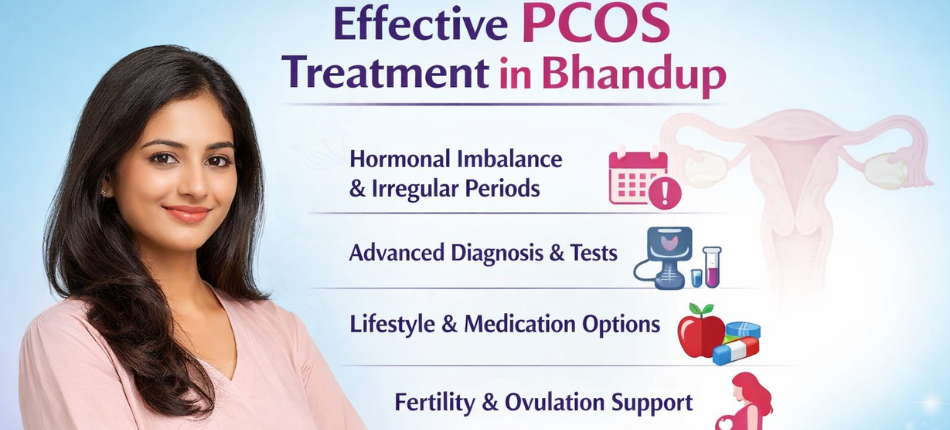
Effective PCOS Treatment in Bhandup – Dr.Sachin Dalal – Causes, Symptoms & Advanced Care Options
Introduction
Polycystic Ovary Syndrome (PCOS) is one of the most common hormonal disorders affecting women of reproductive age. With rising lifestyle stress, irregular routines, and dietary changes, PCOS cases are increasing rapidly in urban areas like Bhandup. Early diagnosis and the right treatment plan are essential to manage symptoms and prevent long-term complications. If you’re searching for Effective PCOS treatment in Bhandup, this guide will help you understand causes, symptoms, and modern treatment options available locally.
What Is PCOS?
PCOS is a hormonal imbalance where the ovaries produce excess androgens (male hormones), leading to irregular ovulation. This can result in missed periods, fertility issues, weight gain, acne, and excessive hair growth.
Common Symptoms of PCOS
Women may experience different symptoms, including:
-
Irregular or missed menstrual periods
-
Weight gain, especially around the abdomen
-
Acne and oily skin
-
Excess facial or body hair
-
Hair thinning or hair fall
-
Difficulty in conceiving
-
Fatigue and mood swings
If these symptoms persist, consulting a specialist for PCOS treatment in Bhandup is highly recommended.
Causes of PCOS
While the exact cause is unknown, several factors contribute to PCOS:
-
Hormonal imbalance
-
Insulin resistance
-
Genetic predisposition
-
Poor lifestyle and diet
-
Chronic stress
How PCOS Affects Women’s Health
Untreated PCOS can lead to:
-
Infertility
-
Type 2 diabetes
-
High cholesterol
-
Heart disease
-
Depression and anxiety
Early intervention is key to preventing these complications.
Diagnosis of PCOS
PCOS diagnosis usually includes:
-
Medical history and symptom evaluation
-
Blood tests for hormone levels
-
Pelvic ultrasound
-
Blood sugar and cholesterol tests
Natural Ways to Manage PCOS
Doctors in Bhandup often recommend combining medical treatment with natural approaches:
1. Healthy Diet
-
High-fiber foods
-
Lean proteins
-
Reduced sugar and refined carbs
2. Regular Physical Activity
-
Brisk walking, yoga, or strength training
-
Improves insulin sensitivity
3. Stress Management
-
Meditation and breathing exercises
-
Adequate sleep