
How Lifestyle Affects Women’s Hormonal Health – Dr.Sachin Dalal – A Complete Guide
Introduction
Women’s hormonal health plays a vital role in overall well-being, influencing menstrual cycles, fertility, mood, metabolism, and bone health. At Madhu Hospital, we often see hormonal imbalances caused not only by medical conditions but also by everyday lifestyle habits. Understanding how lifestyle choices affect hormones can help women lead healthier, more balanced lives.
Discover how lifestyle affects women’s hormonal health, menstrual health, fertility, and overall well-being. Early care and healthy habits matter.
What Are Hormones and Why Are They Important for Women?
Hormones are chemical messengers produced by glands like the ovaries, thyroid, adrenal, and pituitary glands. In women, hormones such as estrogen, progesterone, insulin, cortisol, and thyroid hormones regulate:
- Menstrual cycle
- Pregnancy and fertility
- Weight management
- Mood and sleep
- Skin and hair health
Even small lifestyle changes can disturb this delicate hormonal balance.
Key Lifestyle Factors Affecting Women’s Hormonal Health
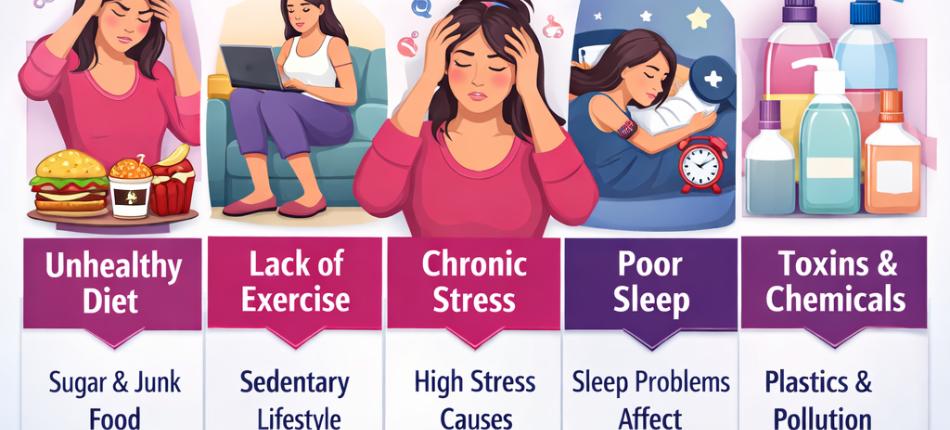
1. Unhealthy Diet
A diet high in sugar, junk food, and processed items can lead to insulin resistance and estrogen imbalance.
Excess sugar increases insulin levels – Consuming too much sugar causes frequent insulin spikes, leading to insulin resistance over time. This imbalance can interfere with estrogen and ovulation, affecting hormonal health.
Poor nutrition affects ovulation and menstrual regularity – A lack of balanced nutrients disrupts hormone production needed for regular ovulation. This can result in irregular periods, delayed cycles, or missed menstruation.
Lack of essential nutrients leads to fatigue and mood swings – Deficiency of vitamins and minerals like iron, B12, and magnesium reduces energy levels. It also affects brain chemistry, causing irritability, anxiety, and mood changes.
2. Physical Inactivity
A sedentary lifestyle slows metabolism and increases stress hormones.
Can worsen PCOS symptoms – Lack of physical activity increases insulin resistance, which is a key factor in PCOS. This can worsen symptoms like irregular periods, acne, and excessive hair growth.
Leads to weight gain and irregular periods – A sedentary lifestyle slows metabolism and promotes fat storage. Increased body fat disrupts hormone balance, leading to irregular or missed menstrual cycles.
Affects insulin sensitivity – Physical inactivity reduces the body’s ability to use insulin effectively. This causes higher blood sugar levels, increasing the risk of hormonal imbalance and diabetes.
3. Chronic Stress
Stress increases cortisol levels, which interferes with reproductive hormones.
Delayed or missed periods – High stress levels increase cortisol, which interferes with reproductive hormones like estrogen and progesterone. This disruption can delay ovulation, leading to missed or irregular periods.
Anxiety and sleep problems – Chronic stress overstimulates the nervous system, making it difficult to relax and sleep properly. Poor sleep further worsens hormone imbalance and emotional well-being.
Reduced fertility – Stress affects ovulation and lowers the chances of conception. Long-term hormonal imbalance can make it harder for the body to support a healthy pregnancy.
4. Poor Sleep Patterns
Lack of sleep affects melatonin and cortisol levels.
Hormonal imbalance – Poor sleep disrupts the release of key hormones like melatonin, cortisol, and insulin. This imbalance affects menstrual cycles, metabolism, and overall hormonal health.
Weight gain – Lack of sleep increases hunger hormones and cravings for unhealthy foods. It also slows metabolism, making weight gain more likely.
Low immunity and mood changes – Inadequate sleep weakens the immune system, increasing the risk of infections. It also affects brain chemicals, leading to irritability, anxiety, and low mood.
5.Exposure to Environmental Toxins
Chemicals in plastics, cosmetics, and pollution can act as hormone disruptors.
Affects estrogen levels – Exposure to environmental toxins and chemicals can act like hormones in the body. These substances disrupt normal estrogen balance, leading to hormonal irregularities.
Can lead to fertility problems – Hormone-disrupting chemicals interfere with ovulation and reproductive function. Over time, this can reduce the ability to conceive and maintain a healthy pregnancy.
Signs of Hormonal Imbalance in Women
- Irregular or painful periods
- Acne and hair thinning
- Mood swings and depression
- Difficulty in conceiving
- Unexplained weight changes
Why Choose Madhu Hospital for Women’s Hormonal Care?
1. Expert women’s health specialists
Madhu Hospital has experienced gynecologists and women’s health experts who specialize in hormonal and reproductive care. They provide accurate diagnosis and personalized treatment for every patient.
2. Advanced diagnostic facilities
The hospital is equipped with modern laboratory tests and imaging technology for precise hormonal evaluation. This ensures early detection and effective treatment planning.
3. Holistic lifestyle-based treatment
Treatment plans focus not only on medicines but also on diet, exercise, stress management, and lifestyle correction. This approach helps achieve long-term hormonal balance and overall wellness.
4. Patient-centric care approach
Every patient receives compassionate, confidential, and individualized care. Doctors take time to understand concerns and guide patients through every step of treatment.
Conclusion
Women’s hormonal health is closely connected to lifestyle choices. Early attention to symptoms and healthy habits can prevent serious health concerns. Madhu Hospital is committed to providing comprehensive women’s healthcare for every stage of life.
How Lifestyle Affects Women’s Hormonal Health How Lifestyle Affects Women’s Hormonal Health How Lifestyle Affects Women’s Hormonal Health How Lifestyle Affects Women’s Hormonal Health How Lifestyle Affects Women’s Hormonal Health How Lifestyle Affects Women’s Hormonal Health How Lifestyle Affects Women’s Hormonal Health How Lifestyle Affects Women’s Hormonal Health How Lifestyle Affects Women’s Hormonal Health How Lifestyle Affects Women’s Hormonal Health How Lifestyle Affects Women’s Hormonal Health