Gestational Diabetes: Symptoms, Risks and Management | Gestational Diabetes Management – Madhu Hospital
Pregnancy is an important phase in a woman’s life that requires special attention to health, nutrition, and overall well-being. However, some women develop high blood sugar levels during pregnancy, a condition known as gestational diabetes. If left unmanaged, it can increase the risk of pregnancy-related complications for both the mother and baby.
Effective Gestational Diabetes Management involves early diagnosis, balanced nutrition, regular physical activity, blood sugar monitoring, and appropriate medical treatment. With timely screening and proper antenatal care, many women with gestational diabetes can experience healthy pregnancies and safe deliveries.
At Madhu Hospital – Maternity and Nursing Home in Bhandup, Mumbai, expectant mothers can consult Dr. Sachin Dalal – Gynecologist and Obstetrician in Bhandup for personalized pregnancy care, gestational diabetes management, and appropriate medical guidance to support maternal and fetal health.
What Is Gestational Diabetes?
Gestational diabetes mellitus (GDM) is a condition in which blood sugar levels become elevated during pregnancy in women who were not previously known to have diabetes.
During pregnancy, the placenta produces hormones that can interfere with the body’s ability to use insulin effectively. When the pancreas cannot produce enough insulin to meet the body’s increased requirements, blood sugar levels may rise.
Gestational diabetes generally develops during the second or third trimester of pregnancy. Although blood sugar levels often return to normal after childbirth, affected women have an increased risk of developing type 2 diabetes later in life.
What Causes Gestational Diabetes During Pregnancy?
Hormonal changes during pregnancy are a major contributing factor to gestational diabetes. As pregnancy progresses, the body naturally becomes more resistant to insulin to support the nutritional needs of the developing baby.
However, when insulin production is insufficient to compensate for increased insulin resistance, glucose accumulates in the bloodstream.
Genetic factors, pre-existing health conditions, body weight, and metabolic changes may also influence the likelihood of developing gestational diabetes.
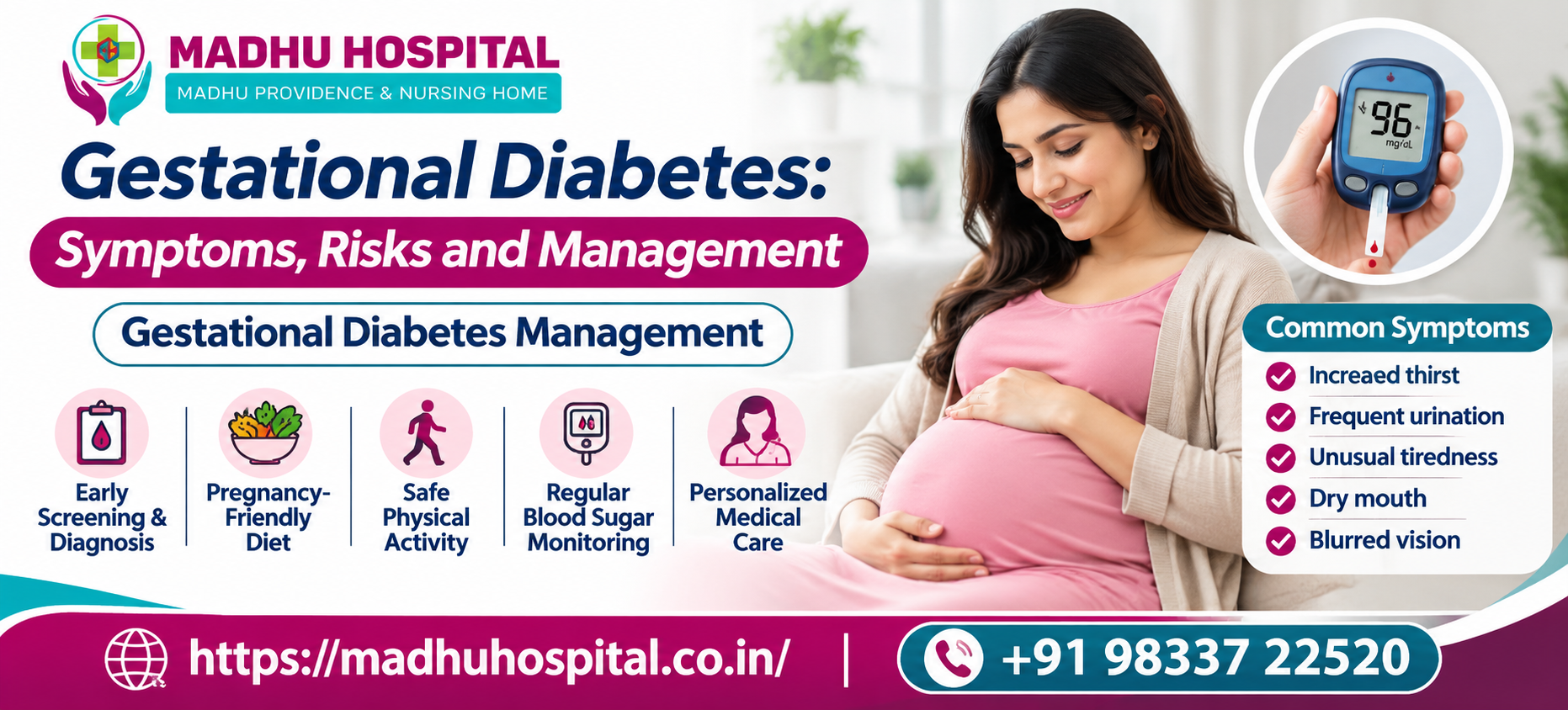
Common Symptoms of Gestational Diabetes
Many pregnant women with gestational diabetes do not experience noticeable symptoms. However, some women may experience the following signs:
-
Increased thirst
-
Frequent urination
-
Unusual tiredness or fatigue
-
Dry mouth
-
Blurred vision
Since some of these symptoms are also common during normal pregnancy, routine blood sugar screening is essential for accurate diagnosis.
Who Is at Risk of Developing Gestational Diabetes?
Although gestational diabetes can affect any pregnant woman, certain factors may increase the risk.
1. Family History of Diabetes
Women with a family history of type 2 diabetes may have a greater likelihood of developing gestational diabetes due to genetic and metabolic factors.
2. Being Overweight Before Pregnancy
Excess body weight before conception can contribute to insulin resistance, increasing the possibility of elevated blood sugar levels during pregnancy.
3. Previous Gestational Diabetes
Women who experienced gestational diabetes during an earlier pregnancy have an increased risk of developing the condition in subsequent pregnancies.
4. Polycystic Ovary Syndrome (PCOS)
Women with PCOS may experience insulin resistance and hormonal imbalances, which can increase their risk of gestational diabetes.
5. Advanced Maternal Age
The likelihood of developing gestational diabetes may increase with maternal age, making regular pregnancy screening particularly important.
6. Previous Delivery of a Large Baby
Women who previously delivered a baby with a high birth weight may have an increased risk of gestational diabetes in future pregnancies.
How Is Gestational Diabetes Diagnosed?
Early diagnosis plays an important role in Gestational Diabetes Management. Doctors recommend blood glucose screening during pregnancy to identify elevated blood sugar levels.
Common diagnostic tests include:
| Test | Purpose |
|---|---|
| Fasting Blood Sugar Test | Measures glucose levels after fasting |
| Glucose Challenge Test (GCT) | Screens for abnormal blood sugar response |
| Oral Glucose Tolerance Test (OGTT) | Evaluates how the body processes glucose |
| Post-Meal Blood Sugar Test | Helps assess glucose levels after eating during ongoing management |
Routine gestational diabetes screening is generally recommended between 24 and 28 weeks of pregnancy. Women with additional risk factors may require earlier evaluation. The specific testing protocol depends on the doctor’s recommendations.
Potential Risks of Gestational Diabetes for Mothers
Uncontrolled blood sugar levels during pregnancy may increase the risk of several maternal health complications.
High Blood Pressure and Preeclampsia
Gestational diabetes may increase the likelihood of developing high blood pressure and preeclampsia, a potentially serious pregnancy-related condition requiring medical supervision.
Increased Risk of Caesarean Delivery
Elevated maternal blood sugar levels may contribute to excessive fetal growth, making vaginal delivery more challenging and increasing the possibility of a caesarean delivery.
Future Risk of Type 2 Diabetes
Women diagnosed with gestational diabetes have a higher likelihood of developing type 2 diabetes later in life. Regular health monitoring and healthy lifestyle habits remain important even after delivery.
Gestational Diabetes in Future Pregnancies
Women who have experienced gestational diabetes may develop the condition again during subsequent pregnancies, making early screening particularly important.
Potential Risks of Gestational Diabetes for Babies
Uncontrolled gestational diabetes can also affect the baby’s growth and health.
Possible complications include:
-
Excessive birth weight (macrosomia)
-
Premature birth
-
Low blood sugar after delivery
-
Breathing difficulties after birth
-
Birth injuries associated with excessive fetal growth
-
Increased risk of obesity and type 2 diabetes later in life
Timely diagnosis and appropriate blood sugar control can help reduce the likelihood of these complications.
Effective Gestational Diabetes Management During Pregnancy
Managing gestational diabetes requires a combination of healthy lifestyle habits, medical supervision, and regular pregnancy monitoring. Treatment plans should be personalized according to blood sugar levels, nutritional requirements, and overall maternal health.
1. Healthy Eating for Gestational Diabetes Management
A balanced and nutritious diet is an essential part of controlling blood sugar levels during pregnancy. Eating appropriate portions of fiber-rich vegetables, whole grains, proteins, and healthy fats can help manage glucose levels while supporting fetal development.
Pregnant women should avoid skipping meals, extreme dieting, and excessive consumption of sugary foods. A gynecologist or registered dietitian can help create a personalized meal plan.
2. Regular Blood Sugar Monitoring
Monitoring blood sugar levels helps doctors understand how the body responds to meals, exercise, and treatment. Depending on individual requirements, patients may be advised to check their glucose levels before breakfast and after meals.
Maintaining a blood sugar record allows healthcare professionals to make necessary adjustments to the treatment plan.
3. Safe Physical Activity During Pregnancy
Regular physical activity can improve insulin sensitivity and support blood sugar control. Walking, pregnancy-appropriate stretching, and other low-impact exercises may be beneficial when approved by a healthcare professional.
Pregnant women should avoid strenuous physical activities that are unsuitable for their individual pregnancy conditions.
4. Medication and Insulin Therapy
In some cases, healthy eating and physical activity may not be sufficient to maintain recommended blood sugar levels. Doctors may prescribe insulin or other appropriate medication to help manage gestational diabetes.
Insulin is generally the preferred medication when pharmacological treatment is required. Medication should always be taken under medical supervision.
5. Regular Antenatal Checkups
Regular pregnancy checkups help healthcare professionals monitor maternal blood sugar, blood pressure, fetal growth, and overall pregnancy progress.
Additional investigations and ultrasound examinations may be recommended depending on the severity of gestational diabetes and the baby’s development.
Recommended Diet for Gestational Diabetes Management
Choosing nutritious foods and controlling portion sizes can help maintain more stable blood sugar levels during pregnancy.
| Recommended Foods | Foods to Limit |
|---|---|
| Green leafy vegetables | Sugary beverages |
| Whole wheat roti and whole grains | Refined flour products |
| Dal, beans and legumes | Sweets and chocolates |
| Eggs, paneer and other suitable proteins | Cakes and pastries |
| Unsweetened curd and dairy products | Sweetened dairy products |
| Whole fruits in suitable portions | Packaged fruit juices |
| Nuts and seeds | Highly processed snacks |
Pregnant women should not eliminate carbohydrates completely, as they provide essential energy and nutrients. A balanced diet with appropriate carbohydrate distribution throughout the day is important for maternal and fetal health.
Can Gestational Diabetes Be Prevented?
Although gestational diabetes cannot always be prevented, maintaining healthy lifestyle habits before and during pregnancy may help reduce the risk.
Women planning pregnancy can consider maintaining a healthy body weight, following a balanced diet, staying physically active, managing existing health conditions, and attending regular medical checkups.
During pregnancy, the focus should remain on adequate nutrition, appropriate weight gain, and timely blood sugar screening rather than weight-loss diets.
Gestational Diabetes Management After Delivery
For many women, blood sugar levels return to normal after childbirth. However, ongoing medical follow-up remains important because gestational diabetes increases the long-term risk of type 2 diabetes.
The American Diabetes Association recommends diabetes screening between 4 and 12 weeks after delivery, followed by regular screening every 1 to 3 years.
Maintaining a balanced diet, participating in appropriate physical activity after recovery, breastfeeding when possible, and attending regular health checkups can support long-term maternal health.
Common Mistakes to Avoid During Gestational Diabetes Management
Pregnant women should avoid common mistakes that may interfere with effective blood sugar management, such as:
-
Skipping meals to reduce blood sugar levels
-
Avoiding all carbohydrates without medical advice
-
Missing regular blood sugar monitoring
-
Ignoring abnormal glucose readings
-
Taking medication without medical supervision
-
Missing antenatal appointments
-
Assuming diabetes disappears permanently after childbirth
-
Following unverified home remedies instead of prescribed treatment
Professional medical guidance is essential for safely managing gestational diabetes throughout pregnancy.
When Should You Consult a Gynecologist?
Pregnant women should attend regular antenatal checkups even when they do not experience symptoms of gestational diabetes.
Medical consultation is particularly important if you experience excessive thirst, unusual fatigue, persistently elevated blood sugar levels, or have a history of diabetes or pregnancy-related complications.
Severe headaches, sudden vision changes, persistent vomiting, severe abdominal pain, or reduced fetal movements require urgent medical assessment.
Gestational Diabetes Treatment in Bhandup, Mumbai
Managing diabetes during pregnancy requires timely screening, individualized treatment, nutritional guidance, and consistent medical supervision.
Women seeking pregnancy care can consult Dr. Sachin Dalal at Madhu Hospital in Bhandup, Mumbai, to discuss gestational diabetes screening, treatment options, and appropriate pregnancy care.
Early intervention and regular medical follow-up can help expectant mothers manage blood sugar levels and reduce pregnancy-related risks.
Visit Madhu Hospital for more information about maternity and pregnancy care.
Frequently Asked Questions (FAQs)
1. Is gestational diabetes dangerous during pregnancy?
Uncontrolled gestational diabetes can increase the risk of complications for both mother and baby. However, appropriate treatment and regular monitoring can help reduce these risks.
2. When does gestational diabetes usually develop?
Gestational diabetes commonly develops during the second or third trimester. Routine screening is generally performed between 24 and 28 weeks of pregnancy.
3. Can gestational diabetes be controlled through diet?
Many women can manage gestational diabetes through personalized dietary changes and appropriate physical activity. However, some women may require insulin or other prescribed medication.
4. Can women with gestational diabetes have a normal delivery?
Yes, vaginal delivery may be possible for women with well-managed gestational diabetes. The delivery method depends on maternal health, fetal growth, and other obstetric considerations.
5. Is insulin safe during pregnancy?
Insulin is widely used to manage diabetes during pregnancy when required. It should be administered according to the treating doctor’s instructions.
6. Does gestational diabetes go away after delivery?
Blood sugar levels often return to normal after childbirth. However, follow-up testing is necessary to identify persistent diabetes and monitor future health risks.
7. Can I eat fruits if I have gestational diabetes?
Yes, whole fruits can be included in appropriate portions as part of a personalized meal plan. Fruit juices and sweetened fruit products should generally be limited.
8. Where can I get gestational diabetes treatment in Bhandup?
Expectant mothers can consult Madhu Hospital in Bhandup, Mumbai, for pregnancy-related medical guidance and evaluation.
Conclusion
Gestational diabetes is a pregnancy-related condition that requires timely diagnosis, appropriate treatment, and consistent medical supervision. Effective Gestational Diabetes Management through balanced nutrition, safe physical activity, regular blood sugar monitoring, and antenatal care can help reduce complications and support a healthier pregnancy.
If you have been diagnosed with gestational diabetes or are concerned about elevated blood sugar levels during pregnancy, seek professional medical guidance.
Consult Madhu Hospital for Pregnancy and Maternity Care.
Website: https://madhuhospital.co.in/
Contact: +91 98337 22520
Gestational Diabetes Management Gestational Diabetes Management Gestational Diabetes Management Gestational Diabetes Management Gestational Diabetes Management Gestational Diabetes Management Gestational Diabetes Management Gestational Diabetes Management Gestational Diabetes Management Gestational Diabetes Management Gestational Diabetes Management Gestational Diabetes Management Gestational Diabetes Management Gestational Diabetes Management Gestational Diabetes Management Gestational Diabetes Management