
Early Signs of Gynecological Disorders – Dr.Sachin Dalal – Every Woman Should Not Ignore
Introduction
Gynecological health plays a vital role in a woman’s overall well-being. Many gynecological disorders begin with mild symptoms that are often ignored or mistaken for routine hormonal changes. Early detection and timely medical intervention can prevent complications and ensure better reproductive and general health. At Madhu Hospital, we emphasize awareness, early diagnosis, and personalized care for women at every stage of life.
Learn the early signs of gynecological disorders, common symptoms to watch for, and when to consult a gynecologist for timely diagnosis and effective treatment.
What Are Gynecological Disorders?
Gynecological disorders refer to conditions affecting the female reproductive system, including the uterus, ovaries, fallopian tubes, cervix, and vagina. Common disorders include PCOS, endometriosis, fibroids, pelvic inflammatory disease (PID), ovarian cysts, and hormonal imbalances.
Common Gynecological Disorders in Women
Some of the most frequently diagnosed gynecological conditions include:
Polycystic Ovary Syndrome (PCOS): A hormonal disorder causing irregular periods, excess androgen levels, and ovarian cysts.
Endometriosis: A condition where uterine-like tissue grows outside the uterus, leading to pain and fertility issues.
Uterine Fibroids: Noncancerous growths in the uterus that can cause heavy bleeding and pelvic pressure.
Pelvic Inflammatory Disease (PID): An infection of the reproductive organs often resulting from untreated sexually transmitted infections.
Ovarian Cysts: Fluid-filled sacs in the ovaries that may cause pain or menstrual irregularities.
Menstrual and hormonal disorders: Conditions affecting hormone balance, leading to irregular cycles, mood changes, and fertility problems.
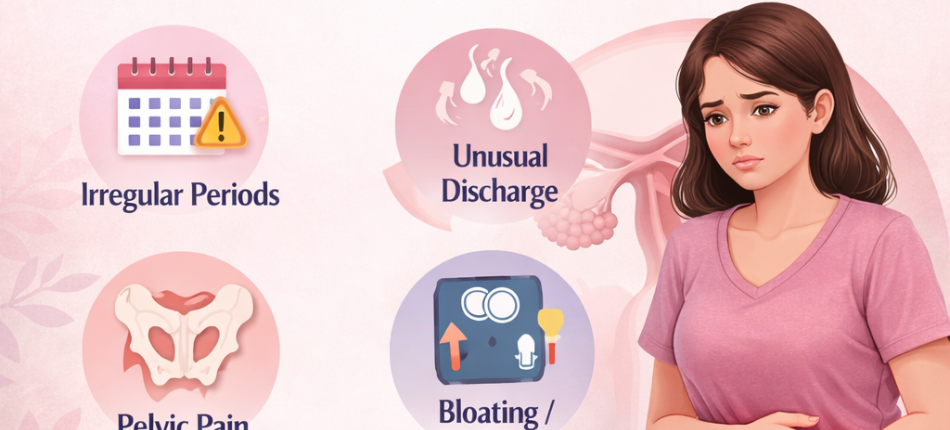
Early Signs of Gynecological Disorders
Recognizing early symptoms can help in prompt treatment and better outcomes.
1. Irregular Menstrual Cycles
Periods that are very frequent, delayed, heavy, or absent may signal hormonal imbalance, PCOS, thyroid issues, or uterine fibroids. Such changes should be evaluated early to prevent complications.
2. Pelvic or Lower Abdominal Pain
Ongoing or recurring pelvic pain, especially outside menstruation, can indicate conditions like endometriosis, ovarian cysts, or pelvic infections. Persistent pain should never be ignored.
3. Pain During Intercourse
Discomfort or pain during intimacy may be an early warning sign of infections, endometriosis, or hormonal changes causing vaginal dryness. Medical consultation helps identify the underlying cause.
4. Frequent Urination or Bowel Issues
Increased urination or bowel discomfort can occur when fibroids or ovarian masses press on nearby organs. Early diagnosis can help relieve symptoms and prevent progression.
5. Bloating or Sudden Weight Changes
Unexplained bloating or rapid weight gain or loss may be linked to ovarian disorders or hormonal imbalance. These symptoms often indicate internal changes that require medical attention.
6. Fatigue and Mood Changes
Hormonal disturbances can cause constant tiredness, mood swings, anxiety, or depression. Addressing the root cause can significantly improve overall well-being and quality of life.
Why Early Diagnosis Is Important
Early diagnosis and timely treatment play a crucial role in preventing the progression of gynecological diseases by addressing symptoms before they become severe or complex. Prompt medical intervention significantly reduces the risk of infertility by preserving reproductive health and preventing damage to vital organs. Early care also improves treatment success, as conditions detected in initial stages often respond better to less invasive and more effective therapies. By managing symptoms early, women can maintain a better quality of life, avoiding chronic pain, emotional stress, and disruptions to daily activities. Additionally, early intervention helps minimize long-term complications, reducing the chances of recurring health issues and the need for extensive medical procedures in the future.
When Should You See a Gynecologist?
You should consult a gynecologist if symptoms continue for more than two menstrual cycles, as persistent issues may indicate an underlying gynecological condition that requires medical attention. Pain that interferes with daily activities, work, or sleep should never be ignored, as it can be a sign of infections, hormonal disorders, or structural problems. Sudden changes in bleeding patterns, such as unusually heavy periods, spotting between cycles, or bleeding after menopause, also require prompt evaluation. Additionally, if you are planning a pregnancy and experiencing difficulty conceiving, a gynecologist can help identify and manage potential reproductive health concerns early, improving the chances of a healthy pregnancy.
Diagnosis and Care at Madhu Hospital
At Madhu Hospital, we provide:
Comprehensive gynecological evaluations: Thorough assessments to accurately identify underlying gynecological concerns.
Advanced imaging and diagnostic tests: Modern technology for precise and early detection of conditions.
Hormonal assessments: Detailed hormone analysis to diagnose and manage imbalances effectively.
Personalized treatment plans: Customized care strategies tailored to each patient’s specific needs.
Compassionate and confidential care: Respectful, supportive treatment ensuring complete privacy and comfort.
Conclusion
Early signs of gynecological disorders should never be ignored. With the right awareness and timely medical support, most conditions can be managed effectively. Madhu Hospital stands as a trusted partner in women’s health, ensuring comprehensive care, early intervention, and long-term wellness.
Early Signs of Gynecological Disorders Early Signs of Gynecological Disorders Early Signs of Gynecological Disorders Early Signs of Gynecological Disorders Early Signs of Gynecological Disorders Early Signs of Gynecological Disorders Early Signs of Gynecological Disorders Early Signs of Gynecological Disorders
Gynecologist Surgeon Sachin Dalal in Bhandup | Madhu Hospital